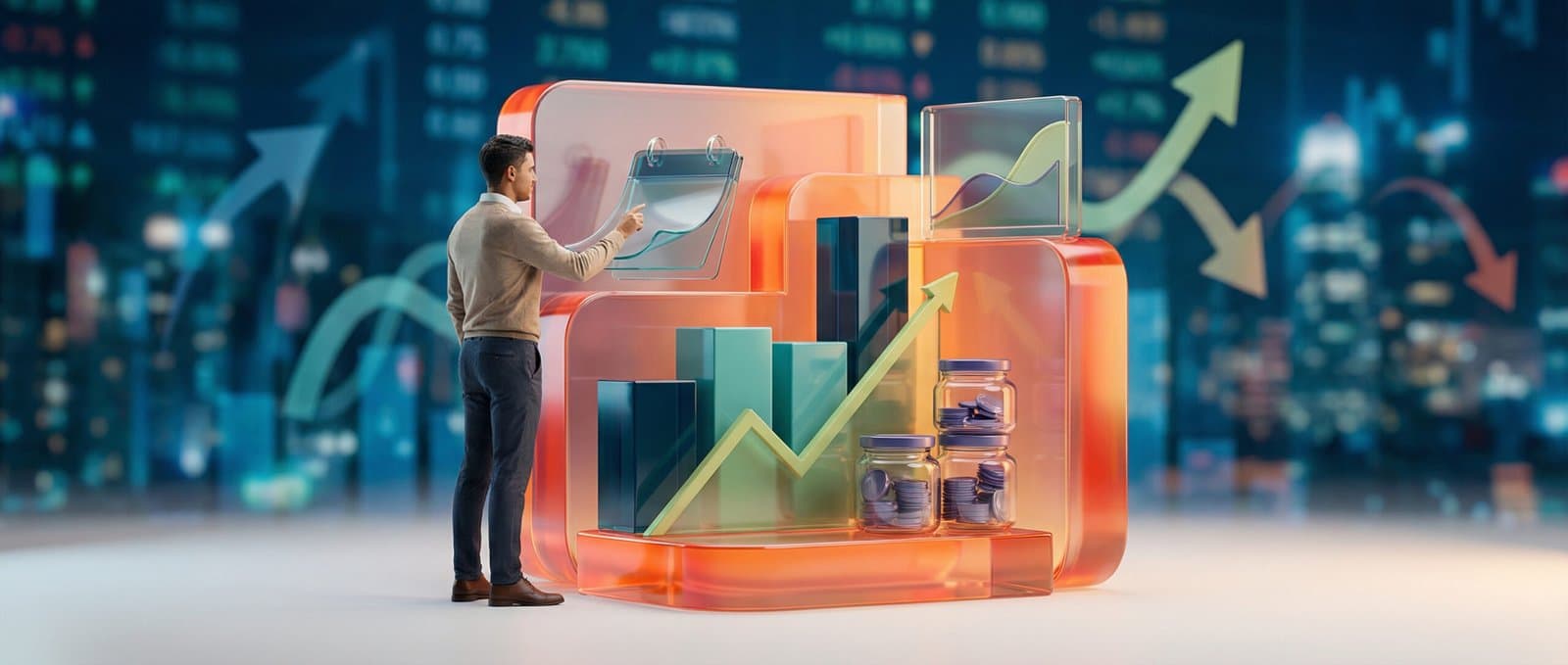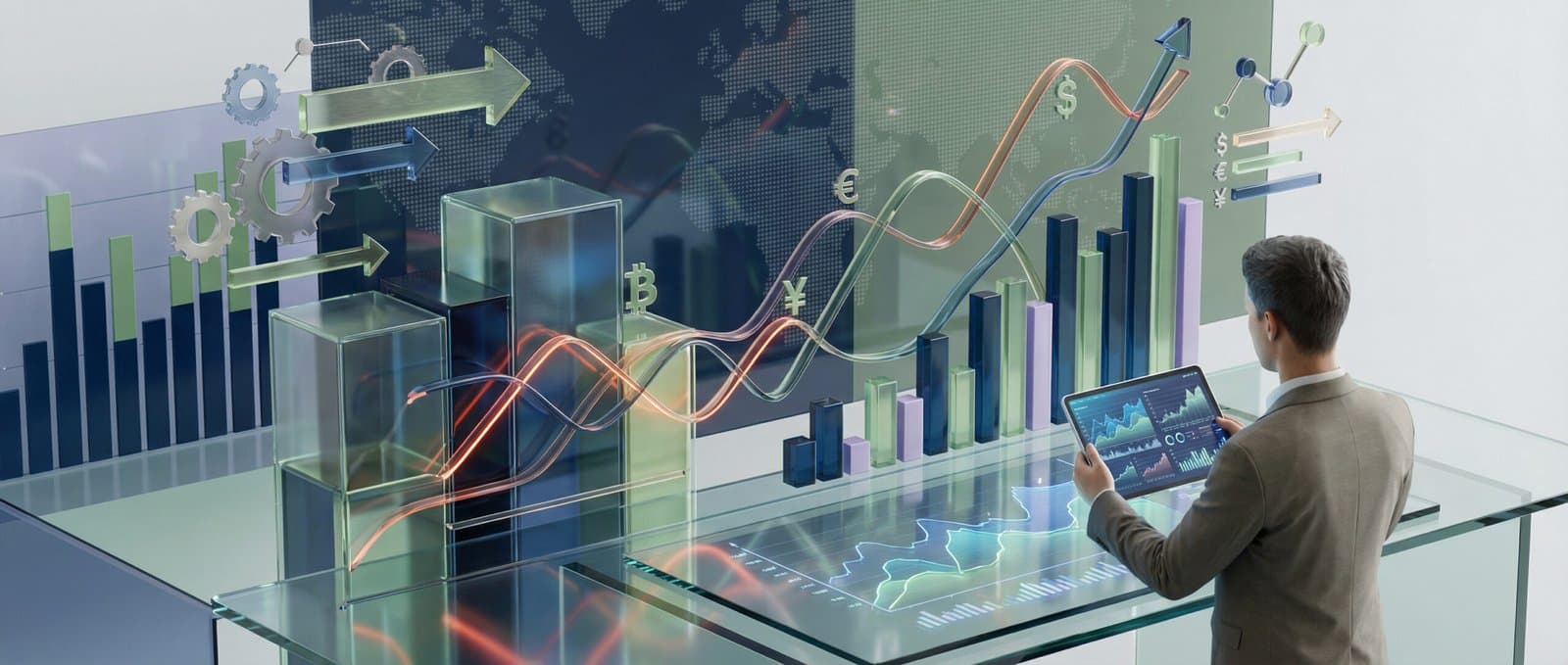
The financial environment entering 2026 looks very different from what investors were used to a decade ago. Currency movements, global economic shifts, and changing interest rate cycles are reshaping how investments are planned and executed.
One of the most discussed topics today is the weakening of the rupee, rising global uncertainty, and how these factors influence investment decisions. For both new and experienced investors, understanding this landscape is critical before allocating capital.
The Rupee and Its Impact on Investments
The value of the Indian rupee plays a significant role in shaping market behaviour. A weakening rupee affects imports, inflation, and global investment flows, while also influencing asset prices across sectors.
For investors, this has two key implications:
- Imported inflation impacts purchasing power
- Global assets and export-oriented companies often gain relative strength
Rather than viewing rupee movement as a risk alone, informed investors see it as an indicator that helps shape asset allocation decisions.
Global Market Forces Shaping Investment Decisions
Global markets are more interconnected than ever. Interest rate changes in developed economies, geopolitical developments, and commodity price movements now have a direct impact on domestic markets.
Some trends influencing investment behaviour include:
- Tighter global liquidity cycles
- Increased volatility across equity markets
- Greater focus on defensive and diversified assets
- Shift toward long-term, risk-managed investing
This environment makes it important for investors to move away from speculation and toward structured investment planning.
Why Gold Is Gaining Attention Again
Gold has traditionally been seen as a hedge during periods of uncertainty. With currency fluctuations and global instability, gold continues to attract investor interest as a store of value.
In 2026, gold is being considered not as a short-term trade but as a portfolio stabiliser. Many investors use it to balance equity exposure and protect purchasing power during volatile phases. That said, gold works best as a part of a diversified portfolio rather than a standalone investment.
How First-Time Investors Should Approach 2026
For new investors, the current market environment may seem overwhelming. However, the key is not to time the market, but to enter it with a plan.
First-time investors should focus on:
- Starting early, even with small amounts
- Understanding their risk tolerance
- Investing regularly rather than in lump sums
- Avoiding emotional decisions
- Building a long-term mindset
Consistency matters more than market timing, especially in the early stages of investing.
Understanding Risk and Reward
Every investment carries a level of risk. The goal is not to avoid risk entirely, but to manage it wisely.
Higher returns generally come with higher volatility, while stable investments offer lower but more predictable outcomes. The right balance depends on factors such as age, income, financial goals, and investment horizon. A diversified portfolio helps reduce risk while allowing capital to grow steadily over time.
Funds and Investment Options to Consider
In the current environment, investors are exploring a mix of investment options based on their goals and risk appetite:
Equity Mutual Funds: Suitable for long-term wealth creation. Best for investors with a higher risk tolerance and longer investment horizon.
Hybrid Funds: Offer a balance between equity and debt. Ideal for moderate risk profiles.
Debt Funds: Provide stability and predictable returns. Suitable for conservative investors or short-term goals.
Gold-Based Investments: Often used as a hedge against inflation and currency depreciation.
Structured and Managed Portfolios: For investors looking for professional management and strategic asset allocation.
Choosing the right mix depends on personal goals, risk capacity, and time horizon.
Final Thoughts
Investing in 2026 is less about chasing returns and more about building resilience. Market conditions will continue to evolve, but a well-structured investment approach can help navigate uncertainty with confidence.
By understanding currency movements, global trends, and risk dynamics, investors can make informed decisions that support long-term financial growth.
At Dhanovaa, the focus remains on helping investors think strategically, invest responsibly, and build wealth with clarity and discipline.
Dhanovaa – Your Wealth Architect